







Search Results for: Coffee Brewing Techniques
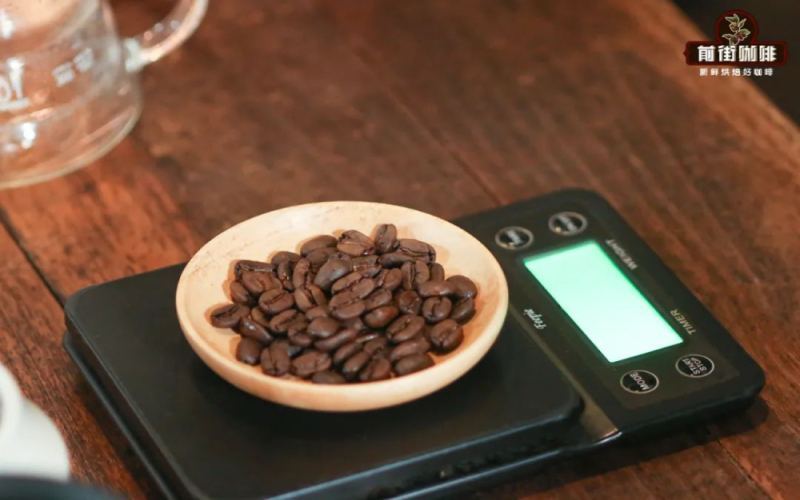
Geisha Pour-Over Acidity-Bitterness Balance Guide: How to Use Brewing Techniques to Enhance Coffee Sweetness
Many friends who have just stepped into the world of specialty coffee are often puzzled: why can't they taste the sweetness that the barista describes? In fact, this is often not because the coffee lacks sweetness, but because the human body is more sensitive to bitterness than to sweetness. The flavor potential of a coffee bean is already established at the green bean stage, and roasting determines the direction of its flavor—these two stages are difficult for consumers to intervene in. But when it comes to the brewing stage, we can still use certain techniques to regulate the expression of acidity and sweetness. In this article, Front Street will focus on the pour-over practice of Geisha coffee and share how, by adjusting water temperature, grind size, coffee-to-water ratio, and pouring method, we can make the coffee's sweetness more prominent while reducing unnecessary astringency and bitter, off-flavors. [more…]
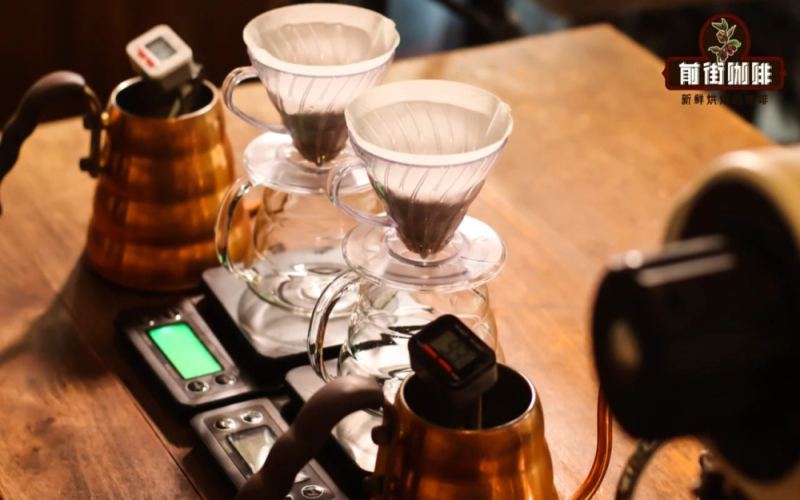
Pour-Over Coffee Techniques Explained | What Is the One-Pour Method? How Does It Differ from the Three-Stage Pour? Which Brews a Better Black Coffee?
For more specialty coffee knowledge, please follow: Front Street Coffee (Frontsteet Coffee). One of the great joys of pour-over coffee is using different brewing techniques to interpret a cup of coffee. And as for pour-over methods, I believe everyone pays close attention. So the most widely spread pour-over technique at present is the one-pour method. [more…]
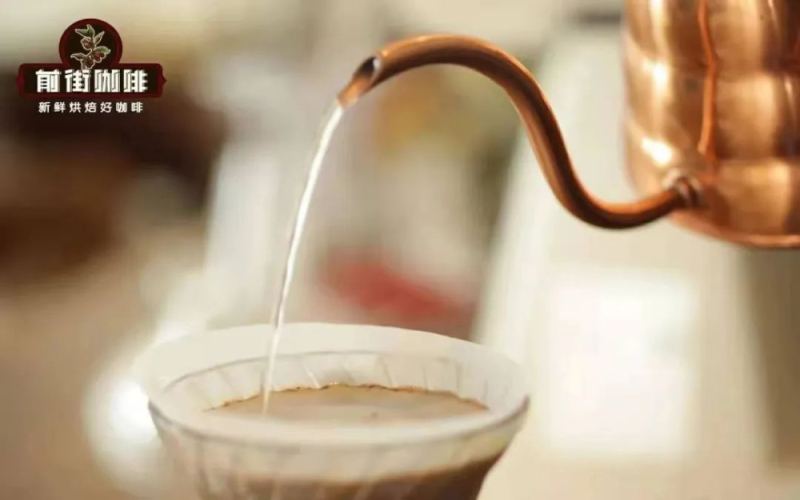
Analysis of Six Classic Pour-Over Coffee Brewing Methods: Techniques and Flavor Differences from One-Pour to Stirring
The charm of pour-over coffee lies in its rich and varied brewing methods, with different techniques bringing out completely different flavor expressions. This article systematically sorts out six common pour-over techniques—one-pour flow, three-stage, four-six method, three-temperature brewing method, volcano pour, and stirring method—explaining in detail the operational key points, applicable scenarios, and flavor characteristics of each technique. From the logic of dividing pouring stages to extraction strategies based on water temperature changes, from adjusting grind size to the influence of stirring intensity on fine particle migration, the content balances theoretical principles with practical details. The article also specifically shares the three-stage brewing parameters used daily at Front Street Coffee, as well as the grinding solutions offered to address the easy over-extraction problem of the four-six method, making it suitable for coffee enthusiasts who wish to refine their brewing skills. [more…]
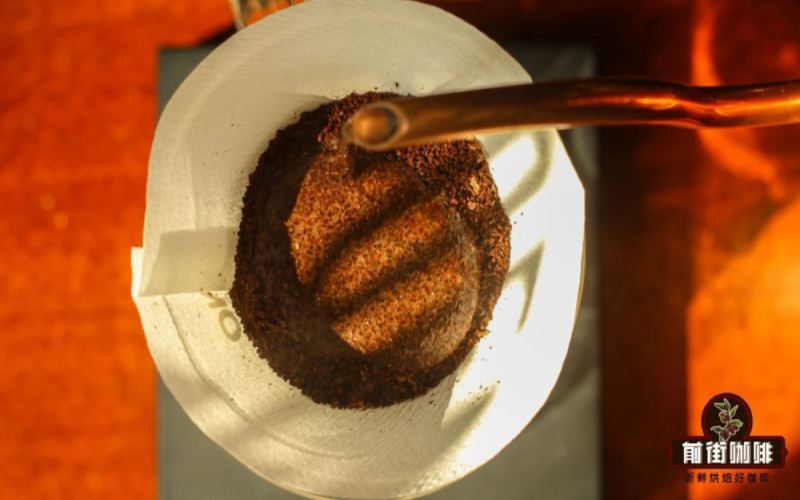
How to Choose Beginner Pour-Over Coffee Beans? Four Japanese Brewing Techniques and Recommended Everyday Beans from Africa, Asia, and the Americas
Many coffee enthusiasts who come to Front Street to buy beans ask: how can you hand-brew a coffee to bring out its best flavor? Front Street has always felt that brewing by hand is an enjoyment in itself, and coffee you brew yourself tastes all the more satisfying psychologically. This article first sorts out the four most mainstream Japanese hand-brewing techniques—Matsuya style, Kono style, volcano pour, and the zigzag pouring method—explaining their key operational points and taste characteristics; then, by the three major producing regions of Africa, Asia, and the Americas, recommends several high-value Front Street everyday beans suitable for beginners to practice with, along with specific brewing parameters and techniques, in the hope of helping every coffee lover. [more…]
A Detailed Guide to Six Pour-Over Coffee Brewing Techniques: One-Pour, Three-Stage, 4:6 Method, Variable Temperature, Volcano Pour, and Stirring Method
The charm of pour-over coffee lies in the diversity of brewing methods, as different pouring techniques bring out entirely different flavor expressions. This article systematically sorts through six common pour-over techniques—single-pour, three-stage, 4:6 method, Santuario variable-temperature brewing, volcano pour, and stirring method—analyzing each one by one from the logic of pouring, parameter ratios to flavor characteristics, and explaining their respective applicable scenarios and operational difficulties. Using specific parameters such as 15g coffee to 225ml water and 20g coffee to 300ml water as examples, the article helps readers understand the extraction principles behind each technique. At the same time, it retains Front Street Coffee's practical experience with the three-stage method and grind adjustment for coffee enthusiasts to refer to and compare. [more…]
An Analysis of the Seven Major Pour-Over Coffee Schools: A Full Comparison of Brewing Techniques Including the One-Pour and Three-Pour Methods
The charm of pour-over coffee lies not only in the flavor itself, but also in the ever-changing brewing techniques. In coffee enthusiast circles, there are seven major brewing schools: volcano pour, meteor pour, one-cut pour, three-cut pour, tamped pour, stirring method, and drip pour. Except for the drip pour, all the other methods use circular pouring. Each school has its own unique extraction logic and flavor orientation—some pursue layering, some emphasize sweetness, and some are better suited for enthusiasts to explore. This article breaks down the key operational points, pros and cons, and suitable scenarios for each method one by one, and includes practical advice from Front Street Coffee to help you find the style that suits you best in your daily brewing. [more…]
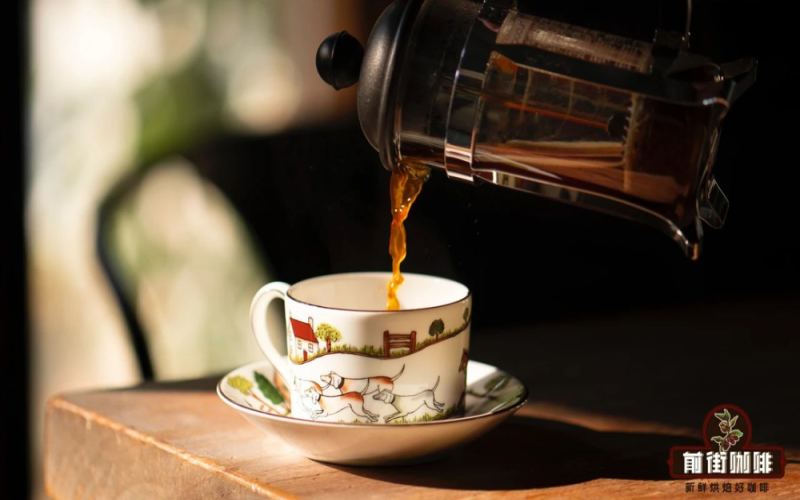
A Comprehensive Guide to French Press Coffee: From Its Historical Origins to Practical Iced Coffee Brewing Techniques
The French press, with its ease of use and excellent ability to preserve flavor, has become the top choice for many coffee lovers at home. This brewing device, which originated in nineteenth-century France, extracts coffee through immersion, delivering a rich, full-bodied taste without requiring complex techniques. This article will take you through the history of the French press and share in detail an iced coffee recipe recommended by Front Street Coffee—using beans from Finca El Diviso Sidra, combined with a specific coffee-to-water ratio, water temperature, and staged immersion times, to ultimately achieve a refreshing iced coffee bursting with juicy fruit flavors. Whether you're a beginner or an advanced player, you'll find practical reference here. [more…]
Yirgacheffe Red Honey Process Pour-Over Tutorial: Grind Settings and Brewing Techniques for Hario V60 and French Press
This Yirgacheffe red honey coffee from Front Street Coffee comes from the Idido region at an altitude of 2,000–2,200 meters. It is a local heirloom variety, G1 grade, processed using the uncommon red honey method, with pronounced sweetness, balanced acidity, and the signature floral and fruity aroma of Yirgacheffe. This article shares in detail its pour-over grind setting, as well as the specific parameters and techniques for two brewing methods—Hario V60 and French press—including coffee-to-water ratio, water temperature, pouring rhythm, and extraction time, along with tasting notes for each, to help coffee lovers recreate this bean's layered complexity and refreshing cup at home. [more…]
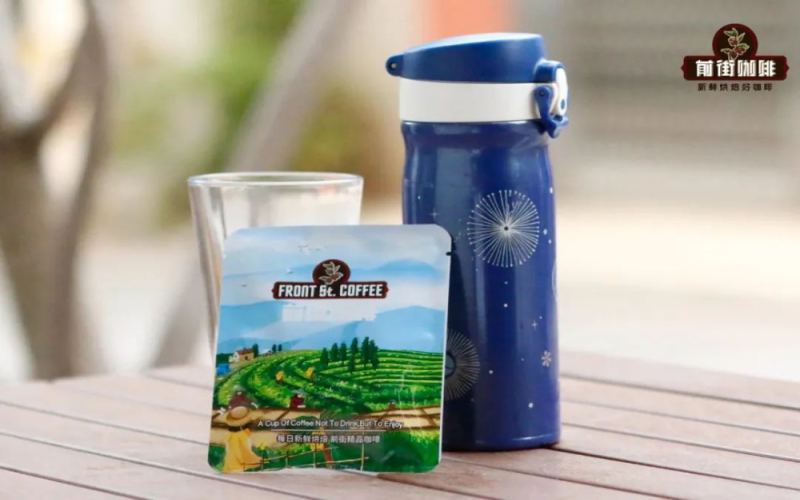
Can Drip Coffee Bags Be Steeped to Extract? A Detailed Guide to Brewing Techniques and Front Street Brand Drip Coffee Recommendations
Drip bag coffee has become the daily first choice for many people thanks to its simple and quick drip filtration method. Without needing an electronic scale or thermometer, all you need is a pot of hot water, a cup, and a drip bag to enjoy it easily. But can you use an immersion method when brewing drip bag coffee? What are the key points when pouring water? This article focuses on the extraction principles of drip bag coffee, the differences between drip filtration and immersion, segmented pouring techniques, and water flow control methods to help coffee lovers improve their brewing experience. At the same time, Front Street has selected a variety of drip bag coffees for different taste preferences, including Geisha, Huakui, Brazil, and Golden Mandheling, satisfying diverse needs such as floral aroma, fruity acidity, balance, and full-bodied richness, bringing every cup of drip bag coffee closer to pour-over quality. [more…]

Illustrated Guide to Drip Bag Brewing | How to Correctly Brew a Drip Coffee Bag in the Office? What Are the Detailed Techniques for Brewing Drip Coffee? Can Filter Coffee Bags Be Steeped?
Recently, a friend asked how drip bag coffee should be brewed and if there are any particular techniques. Well, you've come to the right person! As someone who once brewed drip bag coffee as if it were instant coffee, I'm here to teach you the ultimate secret of brewing drip bag coffee! Let's first talk about drip bag coffee! Drip bag coffee is a filter with a hanging ear paper card. [more…]

Pour-Over Coffee Water Pouring Techniques Explained: Flavor Differences Between One-Pour and Three-Stage Methods and Their Impact on Extraction Results
The pouring method for pour-over coffee directly affects the flavor expression in the final cup. The single-pour and three-stage methods are currently the two most common brewing techniques: the former involves continuous pouring and is simple to perform, while the latter extracts in stages and offers richer layers. Starting from actual brewing, this article will compare the differences between these two methods in terms of acidity, sweetness, and cup cleanliness, and, combined with Front Street Coffee's brewing recommendations, help enthusiasts understand how pouring rhythm changes the extraction direction of coffee, so they can find a pour-over approach that suits their own taste. [more…]
Pour-over Coffee Method | Which Single-Origin Coffee Beans Should Beginners Choose for Pour-over? Pour-over Coffee Extraction Methods, Brewing Techniques, and Coffee Equipment Introduction
The ancients said: The plan for a day lies in the morning. In the early morning, preparing a hearty breakfast for yourself and your family, and brewing a pot of fragrant coffee, not only benefits our physical and mental health and refreshes our minds, but also gives us a perfect start to the day. The technique of pour-over coffee is based on the same principle as brewing Kung Fu tea; different teas [more…]
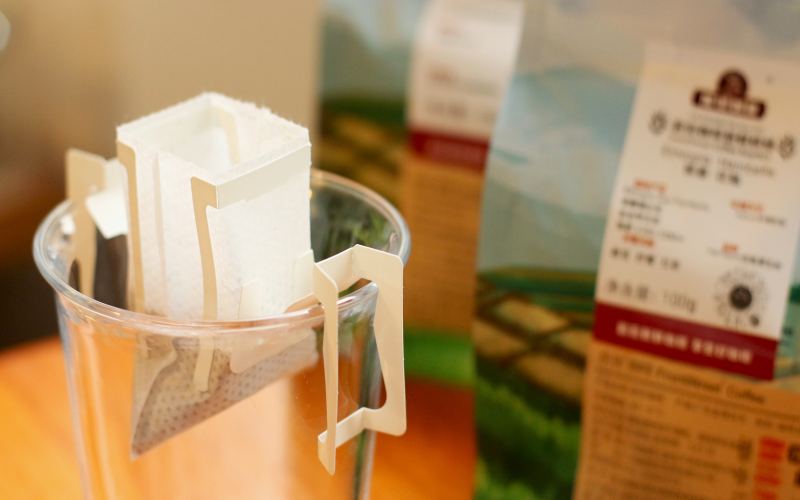
The Complete Guide to Brewing Drip Coffee Bags: The Blooming Step, Pulsed Pouring Techniques, and Front Street Product Recommendations
Drip bag coffee, with its combination of portability and flavor, has become a daily choice for many coffee lovers. But once the beans are ground, how exactly should it be brewed? Should you pour water first to bloom the grounds, or pour directly? This article will explain in detail the pros and cons of drip bag coffee, drinking recommendations, brewing parameters, and segmented pouring techniques. Using 10g Front Street Coffee drip bags as an example, it will explain the coffee-to-water ratio, water temperature control, and the four-stage pouring rhythm. It will also introduce the flavor differences among Front Street drip bags from different regions, helping readers choose the right product according to their personal taste and consistently brew a layered, portable version of pour-over coffee at home. [more…]

How Coffee Grind Size Affects Flavor in Pour-Over and a Guide to Common Home Brewing Problems and Adjustment Techniques
The same bag of coffee beans, brewed at home, always tastes worse than in the shop—this is a confusion almost every pour-over enthusiast encounters. The root of the problem often lies not in the beans themselves, but in several variables during extraction—whether the grind size is appropriate, whether the coffee bed is evenly distributed, whether the parameters and technique match, and even water quality, an easily overlooked factor, can all significantly affect the final flavor. Starting from Front Street's practical experience, this article breaks down one by one the mechanism by which grind size affects taste, the brewing framework beginners should master first, and how to judge where the problem lies by observing the coffee bed and the flow rate, helping you find that cup of good coffee that belongs to your own home. [more…]
Is Tieguanyin a type of oolong tea? Where is its authentic place of origin? A full guide to brewing techniques and caffeine content
Tieguanyin is one of China's most renowned oolong teas, named after the Buddhist Bodhisattva Guanyin, and is mainly produced in the cool, high-altitude mountainous regions of Fujian. Its dry leaves are rolled into balls; once brewed, the leaves unfurl and release a floral, orchid-like aroma, while the liquor turns golden and slightly sweet. This article will explore Tieguanyin from multiple angles—its classification, authentic places of origin, caffeine content and the factors affecting it, and brewing guidelines—to help coffee and tea enthusiasts gain a comprehensive understanding of this classic oolong. The article also covers techniques for multiple infusions, the gongfu tea tradition, and product recommendations from the Front Street Coffee brand, so you can easily brew a delicious cup of Tieguanyin. [more…]
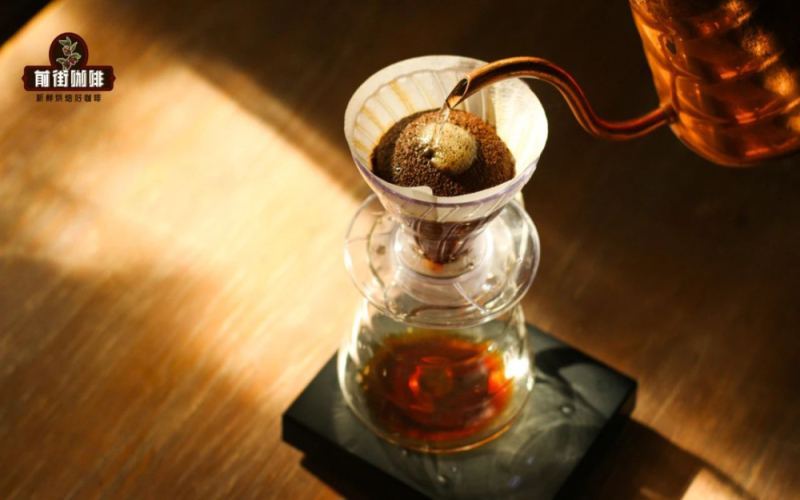
Analysis of Hand-Brewing Techniques for a Large 30g Coffee Dose: How to Avoid Bitterness and Uneven Extraction When Brewing for Four
Many coffee enthusiasts, once accustomed to the rhythm of brewing a single serving of pour-over, often find that flavors turn out vastly different from their daily results when they attempt to brew a large batch of four servings at once. The increase in coffee dose brings not only a change in water volume, but also systematic adjustments involving dripper capacity, pouring technique, grind size, and even extraction time. Front Street Coffee frequently receives similar questions: how should 30 grams of coffee be brewed to taste good? This article will provide a complete overview of the practical key points for large-dose pour-over, from dripper matching, grind size setting, and blooming strategy to the logic of staged pouring, helping you consistently present a clean and well-layered coffee flavor even when sharing among multiple people. [more…]
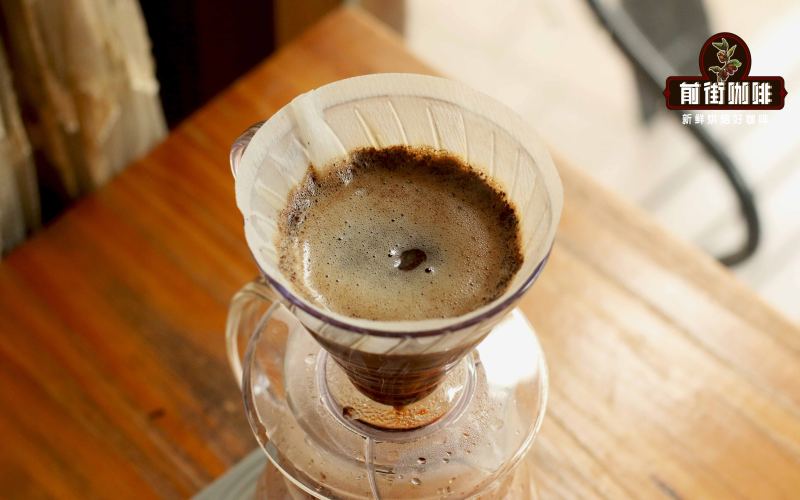
A Complete Analysis of Five Pour-Over Coffee Techniques: Detailed Parameters for One-Pour, Three-Stage, Stirring, 4:6, and Kono Methods
Pour-over coffee may seem simple, but in reality every pouring technique brings out a completely different flavor profile. Front Street Coffee's daily in-store offerings uniformly use the three-stage pour, but the baristas know well that changing the pouring height, water temperature, flow rate, or number of stages is equivalent to creating an entirely new brewing method. This article compiles five distinctive pour-over techniques—the one-pour method, the three-stage method, the agitation method (Rao's spin method), the 4-6 method, and the Kono-style method—breaking down their key operational points and suitable scenarios one by one, along with Front Street Coffee's complete brewing parameters, so that coffee enthusiasts can try them at home one by one and, through comparative tasting, find the cup that best suits their own taste. [more…]
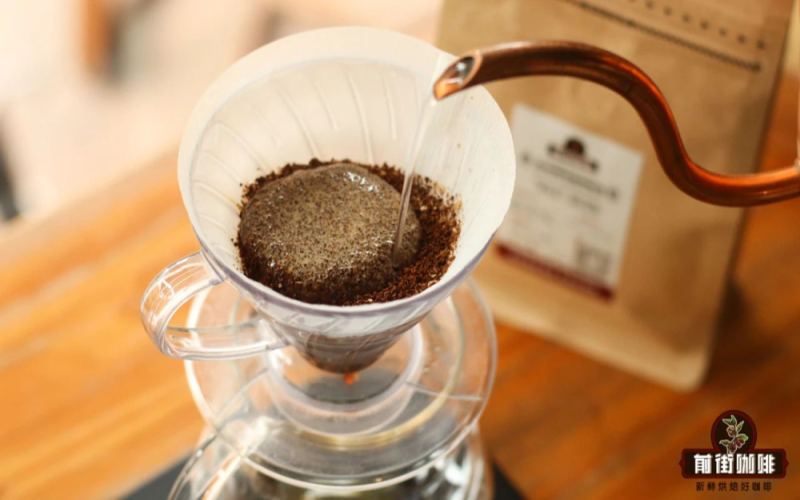
Learning Pour-Over Coffee from Scratch: A Complete Step-by-Step Process and Practical Water Flow Control Techniques
For friends who are just getting into pour-over coffee, everything from choosing equipment to pouring technique can become a stumbling block. Many people piece together what they learn from online videos, taking plenty of detours before gradually figuring out the tricks of the trade. In fact, as long as you sort out the order of the brewing process and master a few key techniques, getting started isn't as difficult as you might imagine. Drawing on the practical experience of Front Street Coffee, this article systematically lays out the basic steps of pour-over coffee, focuses on the core challenge of water flow control, and shares insights on selecting and modifying the spout of a pouring kettle, helping beginners pour a steady stream of water in the shortest time possible and making every cup of pour-over more reliable. [more…]
A Comprehensive Analysis of Professional Tea Tasting Techniques: How to Properly Use Your Tongue and Mouth to Perceive Tea's Aroma, Mouthfeel, and Aftertaste
To truly appreciate the complex layers and subtle flavors of a fine tea, ordinary brewing is far from enough—you also need a refined tasting method. This article covers everything from choosing utensils and controlling water temperature to the actual drinking motions, explaining in detail how professional tea tasters use "slurping" to let the tea fully contact the air, thereby releasing more aroma; at the same time, it teaches you how to assess the body of the tea, the changes in flavor, and the length of the finish after swallowing. The article also mentions that this slurping method is equally common in coffee cupping, and Front Street Coffee applies a similar principle when evaluating coffee beans. Whether you are a tea enthusiast just starting out or a seasoned lover, these techniques can help you experience the full pleasure that tea has to offer. [more…]
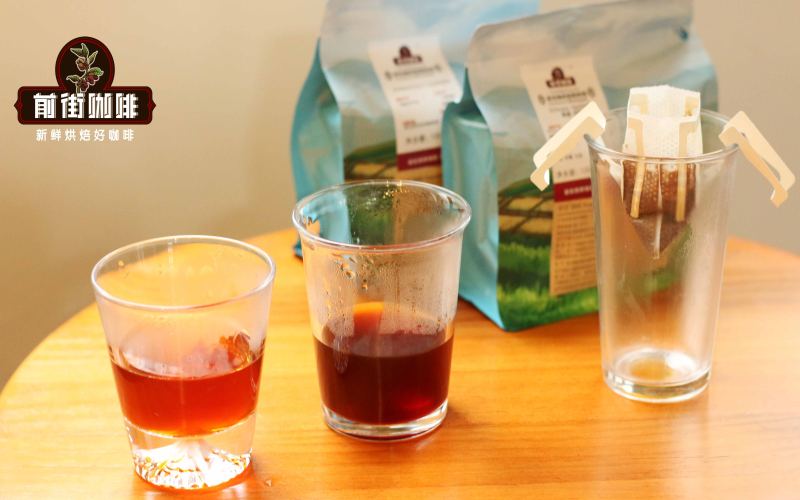
A Complete Guide to Drip Bag Coffee Brewing Temperature and Techniques, Front Street Multi-Origin Drip Bag Recommendations, and a Beginner's Buying Guide
As the pace of life accelerates, drip bag coffee has become the top choice for many coffee lovers thanks to its combination of portability and flavor. This article covers the brewing temperature, key techniques, and common pitfalls of drip bag coffee, while also offering practical advice for beginners on how to choose suitable drip bag coffee beans, and recommending the Front Street Coffee Classic 5-Origin Drip Bag Series, featuring flavors such as Yirgacheffe, Brazil Cerrado, Kenya Little Tomato, Panama Geisha, Indonesia Mandheling, and Honduras, helping readers easily enjoy a great cup of coffee. [more…]